
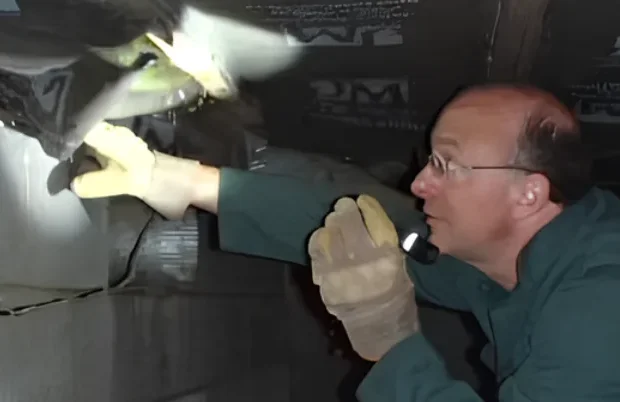



If you’ve never had a home inspection before, you might wonder what the inspector is actually doing for two to four hours. The short answer: a lot more than most buyers expect.
This guide walks through every area of a New Jersey home that a licensed inspector examines — room by room and system by system — so you know exactly what you’re getting when you book with Accurate Inspections.
What a Home Inspection Is — and What It Isn’t
A home inspection is a visual examination of the home’s accessible systems and components, performed by a licensed inspector. In New Jersey, home inspectors are licensed by the Department of Community Affairs and must follow the state’s Standards of Practice.
“Visual” doesn’t mean superficial. A thorough inspector looks at everything that can be seen, touched, operated, and tested without causing damage. What a home inspection does not include is destructive testing — cutting open walls, digging up the yard, or dismantling systems. Hidden conditions behind finished surfaces are outside the scope of a standard inspection, which is why the inspector documents what is visible and accessible.
Michael Del Greco has performed more than 13,000 home inspections in New Jersey since 1993. In that time, he has seen every type of construction, every era of home, and every category of defect that shows up in northern New Jersey’s housing stock. Here is what he examines on every inspection.
The Roof
The roof is one of the most expensive components of any home, and one of the first things Michael evaluates. He examines:
- Roofing material condition — shingles, slate, tile, or flat roofing, looking for wear, damage, missing material, curling, and signs of age
- Flashings — the metal strips at chimneys, skylights, dormers, and roof penetrations are common failure points and are examined closely
- Gutters and downspouts — condition, attachment, and drainage direction
- Chimneys — cap condition, mortar joints, flashing, and any visible deterioration
- Roof penetrations — plumbing vents, exhaust fans, and any other penetrations through the roof surface
Michael holds an FAA Remote Pilot Certificate and uses drone technology where safe, legal, and appropriate — allowing aerial assessment of steep or difficult-to-access roofs at no additional charge.
The Attic
The attic reveals a great deal about a home’s past and present condition. Michael examines:
- Insulation — type, depth, and coverage. In older NJ homes, he also evaluates whether blown-in insulation was added over existing knob-and-tube wiring — a documented fire hazard combination
- Ventilation — proper attic ventilation prevents moisture buildup and premature roof deck deterioration
- Roof structure — rafters, ridge board, collar ties, and any signs of sagging, cracking, or prior repair
- Evidence of water intrusion — staining, deterioration, or active leaks
- Pests — evidence of rodent activity or wood-destroying insects
In northern New Jersey’s older housing stock, Michael regularly finds knob-and-tube wiring in attics — an important finding that affects both safety and insurance eligibility.
The Exterior
Before entering the home, Michael walks the full perimeter. He examines:
- Siding — condition, paint, and any signs of moisture damage, rot, or impact
- Foundation — visible portions of the foundation wall, looking for cracks, settlement, bowing, or efflorescence (mineral deposits indicating water movement)
- Grading and drainage — whether the land slopes away from the foundation. Improper grading is one of the most common contributors to basement water problems in NJ homes
- Walkways, driveways, and patios — condition and drainage
- Decks and porches — structural condition, railing height and integrity, ledger board attachment, and condition of decking material
- Doors and windows — operation, sealing, and visible glazing condition
- Garage — structure, doors, opener safety features, and fire separation from living space
The Basement and Crawl Space
The basement is where water problems show themselves most clearly. Michael examines:
- Foundation walls — cracks, staining, efflorescence, bowing, and any signs of prior repair or waterproofing
- Evidence of water intrusion — staining on walls and floors, rust marks on stored items, deteriorated drywall, and sump pump condition
- Sump pump — operation, pit condition, and discharge location
- Structural framing — floor joists, beams, columns, and any modifications to the structural system
- Insulation — coverage of the rim joist and any conditioned space
- Pest damage — wood-destroying insect damage is commonly found in basement framing in NJ homes, particularly in older properties
Crawl spaces get the same attention as basements. Michael enters accessible crawl spaces to examine framing, insulation, vapor barriers, and signs of moisture or pest activity.
The Electrical System
The electrical system is one of the most safety-critical areas of any home. Michael examines:
- Service panel — the main breaker panel is opened and examined for proper wiring, breaker labeling, double-tapped breakers, evidence of overheating, and the adequacy of the service size
- Wiring type — in older NJ homes, knob-and-tube wiring (pre-1950) and aluminum branch circuit wiring (common in 1960s-70s construction) are frequently encountered. Both have specific safety implications
- GFCI protection — Ground Fault Circuit Interrupter outlets are tested in kitchens, bathrooms, garages, and exterior locations. Missing GFCI protection is one of the most common findings in NJ homes
- AFCI protection — Arc Fault Circuit Interrupters are required in newer construction and are noted when absent in bedrooms
- Outlets and switches — a representative sample is tested throughout the home
- Smoke and carbon monoxide detectors — presence, location, and operation
The Plumbing System
Michael examines all visible and accessible plumbing components:
- Supply piping — type and condition. Northern NJ homes from different eras have copper, galvanized steel, CPVC, or PEX supply piping, each with different life expectancies and failure modes
- Drain, waste, and vent piping — visible condition, slope, and proper venting
- Water heater — age, condition, T&P relief valve, flue connection (for gas units), and adequacy for the home’s size
- Fixtures — kitchen and bathroom faucets, toilets, and showers are operated and tested
- Water pressure — tested at multiple locations
- Main water shutoff — location is identified and operation confirmed
In older NJ homes, galvanized steel supply lines approaching or past the end of their service life are a common finding — with significant replacement cost implications for buyers.
The Heating System
- Furnace or boiler — age, condition, operation, and visible components. Michael operates the system and evaluates the heat exchanger area for signs of cracking, which is a carbon monoxide risk
- Flue and venting — condition and proper connection for gas and oil equipment
- Oil tank — if an above-ground oil tank is present, its condition and location are noted. Underground oil tanks are beyond the scope of a standard inspection but Michael coordinates tank scans for buyers who want them
- Radiators, baseboard heaters, and registers — function and condition
- Thermostat — operation confirmed
New Jersey has a high percentage of older homes with oil heat, steam boilers, and aging forced-air systems. Michael’s 30 years of NJ inspections gives him specific expertise in these systems.
The Cooling System
- Central air conditioning — age, condition, refrigerant line condition, and operation (weather permitting)
- Condenser and air handler — condition and clearances
- Ductwork — visible condition and connections
Air conditioning systems are tested when outdoor temperatures permit. In cooler weather, operating the system risks compressor damage — Michael explains this limitation clearly when it applies.
The Kitchen
- Cabinets and countertops — condition and operation
- Appliances — dishwasher, range/oven, built-in microwave, and garbage disposal are operated and evaluated
- Sink — faucet operation, drain, and under-sink plumbing
- GFCI protection — outlets within reach of water are tested
- Exhaust ventilation — range hood discharge (to exterior or recirculating)
Bathrooms
Every bathroom in the home is examined:
- Fixtures — toilet, sink, tub, and shower are operated and tested
- GFCI outlets — tested at every location
- Exhaust ventilation — fans are operated and evaluated for exterior discharge
- Tile and caulking — condition and signs of water intrusion behind shower and tub surrounds
- Water supply and drain — pressure, flow, and drainage
Bathroom water intrusion behind tile is one of the most commonly missed defects by less experienced inspectors. Michael looks specifically for soft floors and walls around tub and shower surrounds.
Bedrooms and Living Areas
- Windows — operation, condition, and sealing. Double-pane windows are checked for fogging indicating seal failure
- Doors — operation and condition
- Floors, walls, and ceilings — visual examination for settlement, water staining, or structural concerns
- Outlets and switches — a representative sample is tested
- Smoke and CO detectors — presence and operation confirmed
- Stairways — handrail height, railing integrity, and riser height consistency
What’s Not Covered in a Standard Inspection
A standard home inspection does not include:
- Swimming pools and hot tubs — these are specialty inspections
- Septic systems — a separate septic inspection by a qualified specialist is recommended for properties with private septic
- Wells and well water — private well testing is a separate service
- Underground oil tanks — a tank scan by a specialist is recommended for older NJ properties
- Radon — radon testing is a separate service. Michael is a licensed NJ Radon Measurement Technician and strongly recommends testing in northern NJ, which has elevated radon levels
- Mold testing — visual evidence of mold is noted; air quality testing is a separate service
- Asbestos and lead paint — presence of materials that may contain these substances is noted; testing is a separate service
Michael explains every limitation clearly at the inspection — and he coordinates add-on services for buyers who want more complete due diligence.
What Happens After the Inspection
By the time the inspection is finished, Michael has walked you through every finding in person. You’ve seen the issues firsthand, asked your questions, and had them answered on the spot.
That same evening, Michael writes your complete inspection report — with photographs of every finding — and sends you the link by text and email. The report is never software-generated or delegated to staff.
Your report gives your real estate attorney the documented evidence needed to negotiate repairs or a price reduction before the expiration of your inspection contingency. Accurate Inspections reports include authoritative references to substantiate findings — giving you the backup you need when a seller disputes a finding.
Schedule Your NJ Home Inspection
Call (973) 812-5100 between 8 AM and 8 PM on business days, or 8 AM to 5 PM on weekends. A real member of our office staff will answer.
Accurate Inspections, Inc.
56 Woodland Drive, Woodland Park, NJ 07424
(973) 812-5100
Inspecting NJ Homes Since 1993 | NJ Licensed Home Inspector GI0121


