


Educational Approach During Your Home Inspection
I’ll use all the experience I gained by teaching home inspectors in the classroom and in the field to teach home buyers about the home they are considering purchasing. I’ll spend the time necessary to educate you about the home you are considering spending your hard-earned money on.
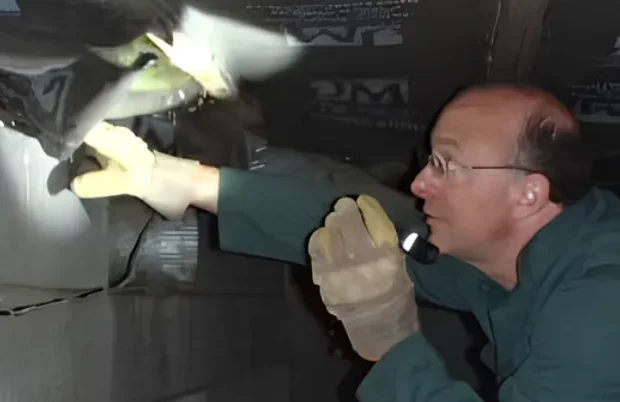
Hiring a very experienced educator for your home inspection is a great idea. Michael is an educator on many fronts. He’s taught home inspection skills at the Morris County School of Technology, mentored field training for student home inspectors, and taught Continuing Education to other licensed home inspectors. Experienced Educator
But even more importantly, Michael takes the time to educate the home buyers he serves.
Michael doesn’t just hand clients a written report and expect them to figure out what it means. He takes the time to show them each issue and explain what it means and what might be required to correct it. He wants his clients to know and understand
And the truth is exactly what you’ll get from Michael Del Greco and Accurate Inspections, Inc.
Everyone involved in the purchase and sale of a home has their own agenda.
The home seller hopes the inspector won’t find any problems at all.
The real estate agents know that probably won’t happen, so they hope the inspector will report only minor problems, ones that can be easily and inexpensively repaired.
You, as the buyer, also hope that only minor problems exist. After all, since you want to buy the house, you’d like to learn that all is well. You’d like reassurance. But you need the truth.
You need to know exactly what you’re getting into, and whether problems exist that will cost you money and/or endanger your physical well-being.

Michael Del Greco of Accurate Inspections, Inc. has been telling home buyers the truth for more than 30 years.
- We have no ties to real estate agents or to the current homeowner, so our ONLY concern is your physical and financial safety.
- In fact, we are one of the very few New Jersey home inspection companies that has signed a “No Conflict of Interest” pledge.
- Michael has been involved with the building industry since 1986. From then until 1993 he served as a construction project manager, building and renovating homes and small office buildings. This experience gave him valuable insight into the important issues that affect a home’s structural integrity and safety
- In 1993 he began his career as a home inspector. Since then he’s inspected more than 13,000 homes and saved prospective home buyers untold millions of dollars.
- Michael’s extensive experience becomes apparent when he exposes complex problems that could result in further property damage and when he sees symptoms of attempts to cover up existing problems.
- Testimonials from satisfied clients attest to his thoroughness and dedication to their welfare.
His promise to every client:
- “Your home inspection will be performed with the same degree of thoroughness, integrity, attention to detail and care as if I were buying the home for myself.” – Michael Del Greco
- Michael lets his clients know which types of professionals they need to contact in order to further evaluate problems, defects, and to prepare proposals in order to assist in negotiations with the home seller.
Michael is a student
- Michael believes in the importance of continuing education and in keeping up with the trends in home construction. New innovations in building call for more knowledge on the part of home inspectors.
Michael is a communicator
- First, he’ll take time during the inspection to explain what he’s seeing and why it matters – and to answer your questions. Then, when your inspection is complete, you’ll be given a copy of the checklist he used as he went through the house. But communication won’t stop there.
- Back at the office, Michael will review his notes and his photographs and personally write a detailed report outlining the problems he found, what they mean to you, and what he believes you need to do to protect your health, safety, and/or finances. That same evening your report, along with photographs, will be posted to his website. You’ll, of course, be provided with the URL vis SMS and email.
Do you have questions?
- When you have questions or are ready to schedule for your home inspection,
- Please call us at: (973) 812-5100 A trained staff member will be pleased to answer your questions or schedule your inspection 8 AM to 8 PM Business Days and 8 AM to 5 PM Other Days.
A Warning: The unhappy truth about New Jersey Home Inspectors:
- Before you choose an inspector based on price alone, think twice. Ask for a resume and see if that inspector has the experience and expertise to tell you all you need to know before you sign those closing papers.
- New Jersey home inspectors can be licensed with as little as three weeks of classroom training and only one week of field training. They need not have even had construction experience. Inexperienced inspectors often charge less in order to buy your business while they gain experience, sometimes at your expense.
Do you like discounts?
- Please tell the inspector you read this far down to save $ 19 on any weekday full home inspection paid for by check, money order, or cash. This offer may not be combined with any other discounts or coupons. Not valid Saturday, Sunday, or legal holidays or when credit cards are used for payment.
Michael Is An Experienced Educator for Home Inspection Clients (like you):
- Michael taught the NJ required home inspector licensing class to prospective NJ home inspectors. Who better to teach you about your home?
- Hiring a home inspector can mean getting an education, as the inspector can provide you with a lot of information on the property you’re buying. That information can include how well the systems in the homework, but also whether those systems have been maintained properly, how old they are, and what kinds of issues they may face in the future. Inspectors also offer their knowledge on things like insulation, foundation concerns, the quality of the roof, and whether the exterior paint and structure is sound or whether there could be problems with water damage and related issues.
- Homebuyers, whether they are first-time buyers or have owned a home before, can really benefit from everything an inspector knows. By asking plenty of questions as they move through the house during the inspection, they will be able to get information that can help them negotiate with the seller on the price or ask for particular items to be repaired. That type of information is what a home inspector should be provided to you in their report, but by being present for the inspection and having the opportunity to ask any questions you have, you can get even more knowledge about the home you’ve chosen to buy.
- Knowledge really is power, and a good education on the home you’re choosing means not just peace of mind, but the opportunity to understand any changes that might be needed after you buy the house. Needing to make repairs or changes doesn’t mean you should walk away from a deal, but there are some repairs that might not be something you want to get involved with, especially for the price you’re paying for the house. The more you know about the property, the more you can plan for negotiations with the seller and line up any workers or companies for repairs or updates that will need to be made after closing.
Earnings Disclaimer External Links Policy
